
Adobe Marketing Mix – Product
Adobes list of products today is long and distinguished, a far cry from the early days of PostScript® the idea of founders John Warnock and Chuck Geschke, a page description language which enabled users to print to external printers, something that gained the interest of Steve Jobs at Apple and a partnership began with Adobes Software and Apples hardware. This also interested the company, Aldus the makers of PageMaker a layout program used for words and graphics; this was a success for all three companies but especially for Adobe who now realised there was a bigger market in the world of desktop publishing. (How Adobe Became a Successful $95 Billion SaaS Company, n.d.)
After Postscript came Illustrator, Photoshop, Premiere and Acrobat all of which have been a success for Adobe in the creative design market but none more so that Photoshop, its flagship product which has been described as “an industry standard for graphics professionals”. Developed by Thomas Knoll in 1987, it was initially called Display. It enabled you to display images on screen, with input from his brother John they turned it into a photo editor. Adobe became interested after a presentation from John Knoll. Adobe Photoshop was first released in 1990. (Choudhary, 2018)
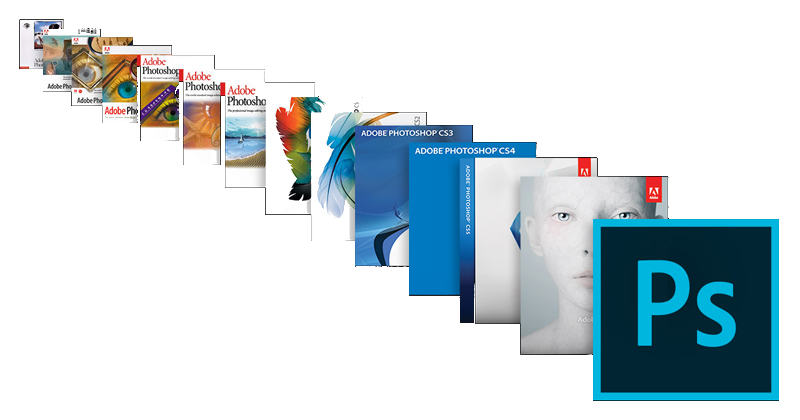
Adobe’s marketing of Photoshop was aggressive, they used roadshows and tutorials aimed at the design and creative professionals and being confident enough in the product to promote it as the best in class for graphic design and image editing. With the ability now to create so much graphically a way of communicating between different computers and systems was needed, welcome the introduction of Acrobat a way of creating and viewing files, Portable Document File format (PDF) was born. (How Adobe Became a Successful $95 Billion SaaS Company, n.d.)
Adobe found itself transforming the world of desktop publishing, but they faced more challenges like more competition from other software companies producing similar design tools. The next step for Adobe was to grow their products by acquisitions, the first being that of Aldus an early partner with Adobe and the makers of PageMaker and Freehand. (How Adobe Became a Successful $95 Billion SaaS Company, n.d.)
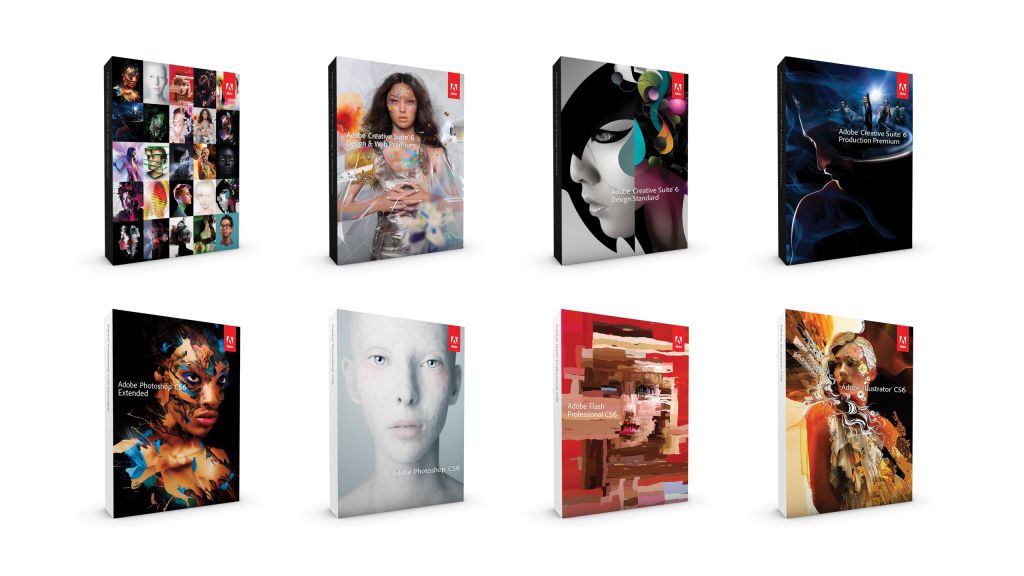
More acquisitions followed like Macromedia the makers of Dreamweaver a web development tool which became a big part of the successful bundled products from Adobe which in 2003 became Creative Suite, a selection of graphic design, video editing and web development applications.
The successful acquisitions by Adobe enabled them to enter different markets and their ability financially to make large what seemed big gambles at the time but with their dedication and use of resources and long periods of time they made sure these gambles paid off. (Patel and Okike, n.d.)

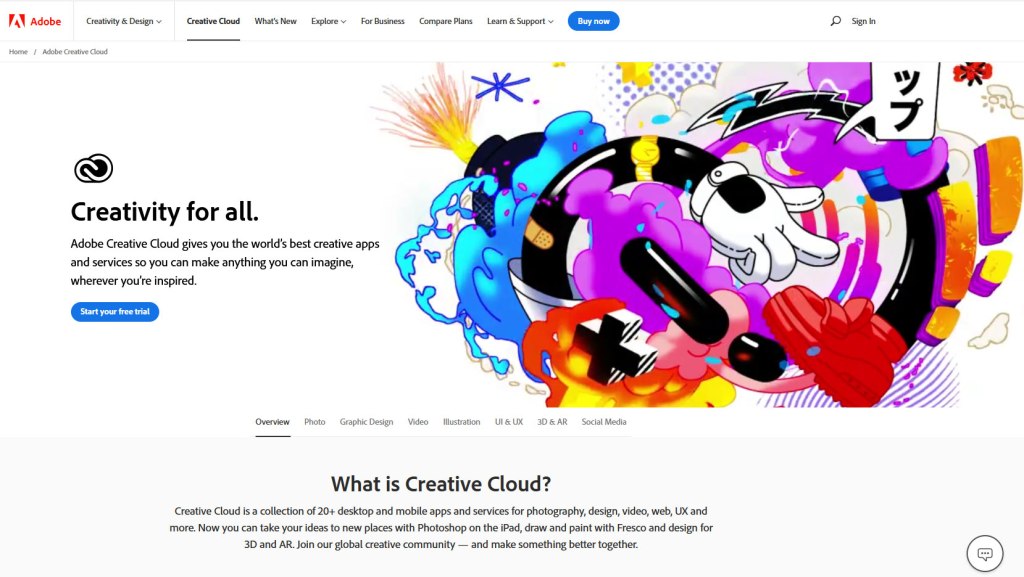
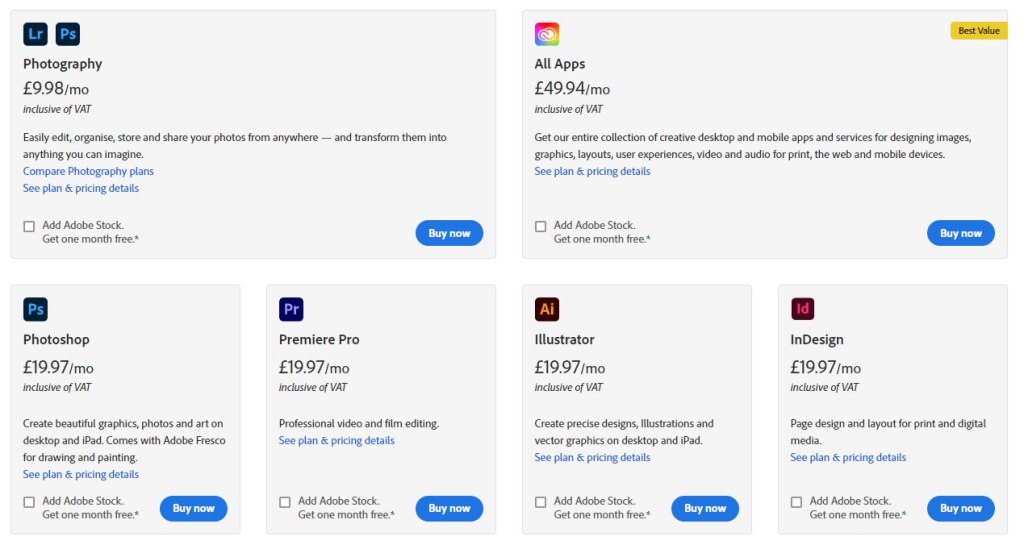
Adobe’s products were all licenced based, out the box on CD but with the internet growing at a great pace it was time to move to a SaaS (Software as a Service) based company, taking their products to the cloud and changing to a subscription-based service which enables uses who could not afford the expensive upfront costs associated with Adobe products, within 3 years Adobe had four million subscribers. (Siu, n.d.)

The transition from licensed based model to the cloud was a difficult choice and was almost certain to lead to a downturn in revenues, earnings, and almost certain drop in share prices. From releasing new licensed versions every 18 to 24 months they now have a specialised team delivering updates and services, creating mobile apps that could access Creative Cloud content as well as desktop. The acquisition of Behance an online network for design professionals to share their work meant they were now creating more of a customer experience. (Sprague, 2015)
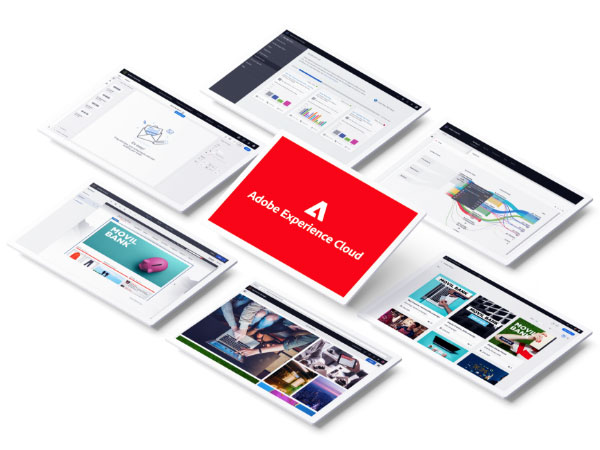
With more acquisitions like Omniture, Marketo and Magento among others plus the continuing growth and success of Creative Cloud and the introduction of Experience Cloud, Marketing Cloud and Document Cloud, Adobe has grabbed hold of the cloud market in more ways than one they are now specialising in data and analytics a true marketing machine.
Conclusion
Adobe’s use of its products, outstanding design, smart acquisitions, user experiences for their customers have been a major part of their marketing success, Adobe’s product-led growth strategy has paid off, building, or acquiring a product and using it as a marketing tool. (Siu, n.d.)
 mydigitalmarketingmix.com