
In today’s digital marketing landscape, emails continue to play a crucial role in generating leads and conversions for businesses. According to HubSpot, 94% of marketers find email marketing effective for reaching their business goals. (Vaughan, 2023).
Email marketing is essential for engaging, informing, and converting your audience. By keeping
subscribers informed and interested in your brand, you can enhance engagement. Informing them about new product launches and updates will keep them in the loop, and special offers in your emails can drive conversions (Go, 2024).
To achieve success, it’s important to employ best practices and avoid common mistakes.
Mailing List Segmentation
Start with your mailing list, which comprises email addresses of subscribers who have opted to receive your campaigns. Compliance with the General Data Protection Regulation (GDPR) is essential to protect user privacy and build trust. Segmentation of your list is a fundamental practice often overlooked (Mailchimp, n.d.). By segmenting your audience, you can tailor your campaigns to different traits or business areas, ensuring that each recipient receives content relevant to their interests.
At Dual Pumps, we segment our audiences into Trade Accounts, End Users, and specific business areas such as High Pressure and Agricultural customers. This targeted approach ensures that we send relevant content to the right audience, reducing the risk of unsubscribes and improving engagement rates.
A/B Testing
A/B Testing is a best practice common in digital marketing. It involves split-testing different
versions of your email to determine which version resonates best with your subscribers (Mailchimp, n.d.). A/B testing can significantly improve your click-through rates (CTR). For instance, split your email into two groups (A & B), sending a general email to Group A and a more specific email with a call to action (CTA) or different colours and fonts to Group B. By analysing the performance metrics of each version, you can identify which elements drive higher engagement and refine your future campaigns accordingly (Vaughan, 2023).
Captivating Copy and Compelling and Concise Subject Lines
Writing captivating copy is crucial for making your content and subject lines relevant and interesting. Use short subject lines that inform rather than sell, and avoid sales jargon and gimmicky phrases that can trigger spam filters (Mailchimp, n.d.). Subject lines should be compelling and concise, ideally between 30 and 50 characters, including spaces, to avoid being cut off (Vaughan, 2023). Creating a sense of urgency while providing a clear idea of the email’s content can encourage recipients to open and read your emails.
Preview Text
The preview text, or preheader text, is a brief description of your email content and should complement the subject line to capture your audience’s attention (Cm (main), n.d.). This can lead to higher open rates. Always write a custom preview text that teases the email’s content. If not specified, the first few words of your email body will be used by default, which might not be the most compelling part of your message.
Examples of subject lines and preview text for my email campaign on content marketing:
Subject Line: “Unlock the Secrets to Content Marketing Success”
Preview Text: “Discover the strategies top marketers use to captivate and convert their audiences.”
Subject Line: “Don’t Miss Out: Transform Your Content Marketing Today!”
Preview Text: “Take your content marketing to the next level with these actionable tips.”
Subject Line: “Richard, Are You Ready to Master Content Marketing?”
Preview Text: “Personalized strategies and tips to help you excel in content marketing.”
Stale Mailing Lists
Email lists can go stale if not used regularly. Subscribers may forget they signed up if they don’t receive consistent content, leading to potential unsubscribes (Mailchimp, n.d.). Additionally, some recipients may remain on your list but never open your emails, negatively impacting your open rate. Regularly reviewing your list and removing inactive addresses helps maintain an engaged audience and improves overall campaign performance (Vaughan, 2023)
Logo & Branding
Including your logo or brand in your emails is a simple yet effective best practice. It builds customer trust, enhances brand identity and recognition, and can improve open rates as recipients recognise your logo (Moorthy, 2024). Consistent branding across all your emails reinforces your brand’s presence and helps establish a stronger connection with your audience.
Email Signatures
An email signature can sometimes be overlooked but when done correctly this can be the finishing touch to your email campaign, it gives your email a polished and professional finish, a simple format, your company logo and contact information and social media icons which are easier on the eye than text links and can ensure future conversions. (Usama, 2024)
Avoid using ‘No-Reply’ email addresses
‘No-Reply’ email addresses cannot be replied to or opted out of, this is a poor user experience, and subscribers are more likely to open emails from a name they know, helping you stay compliant with email regulations. With no-reply email addresses can go straight into the junk/spam, which means your specially created email never reaches its customers. (Martins, 2024)
Avoid purchasing email lists.
Many email service providers (ESPs) profit by sending campaigns to purchased lists. To circumvent this, vendors often collect email addresses and ask members if they’d like to receive special offers from third parties.
Due to the General Data Protection Regulation (GDPR), buying contact lists with addresses you haven’t acquired through previous interactions can harm your open rate and overall email performance. GDPR requires recipient consent before you can contact them, and not all purchased emails will have this consent. (Wainwright, 2021)
Overdesigning and cluttering your email content
In email marketing, simplicity is key. Overloading your design with too many images, especially stock photos, and using a variety of fonts can make your email appear chaotic and unappealing.
Focus on one main message that ties back to your subject line and include secondary features further down in the email. (Smith, 2024)
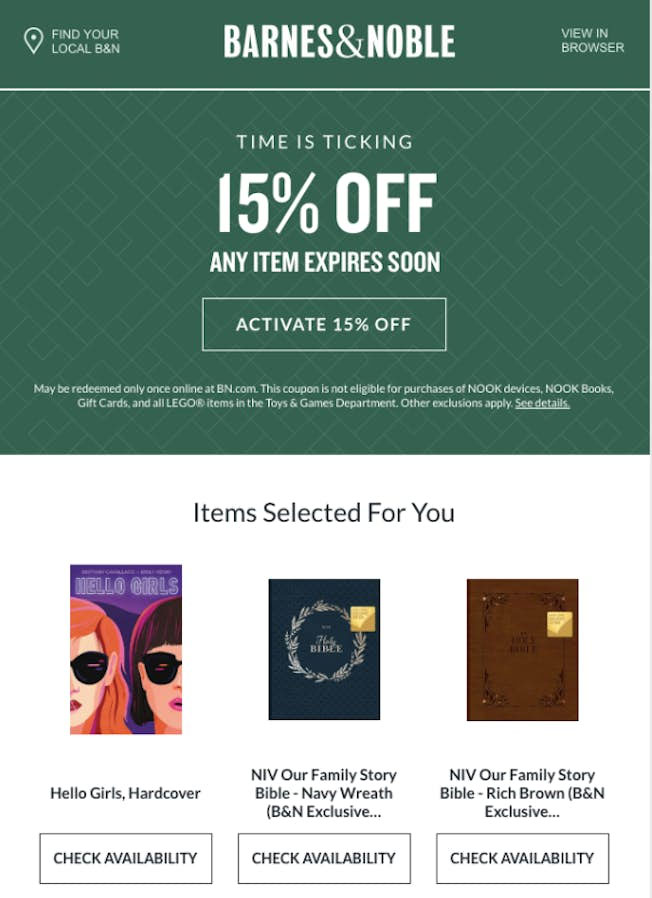
This email focuses on urgency as in “time is ticking” it also has a CTA with active language
“Activate 15% off!.
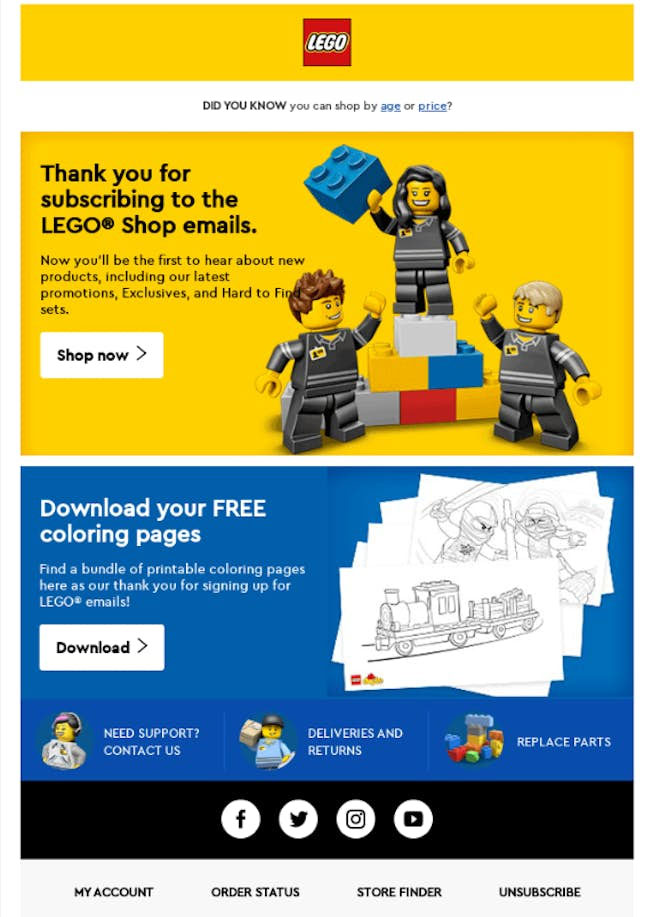
for subscribing.
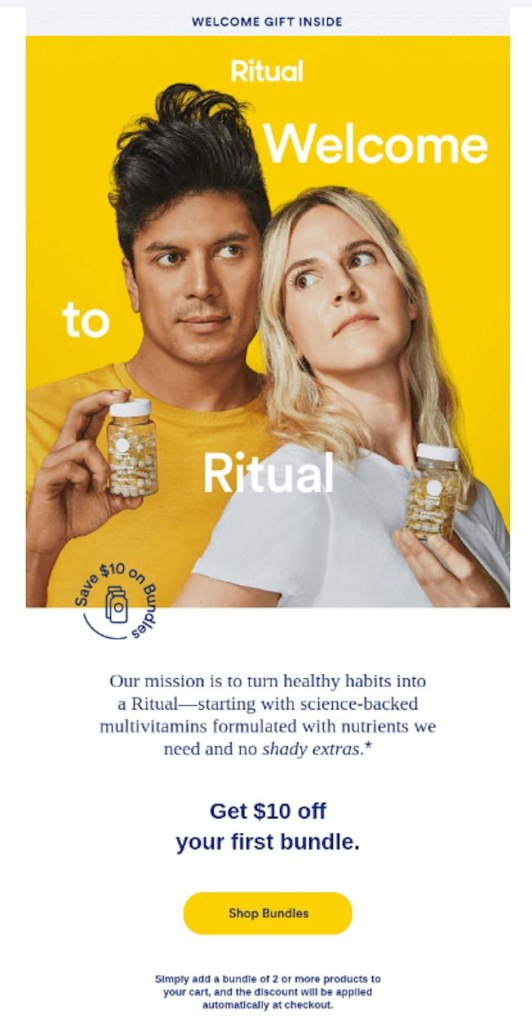
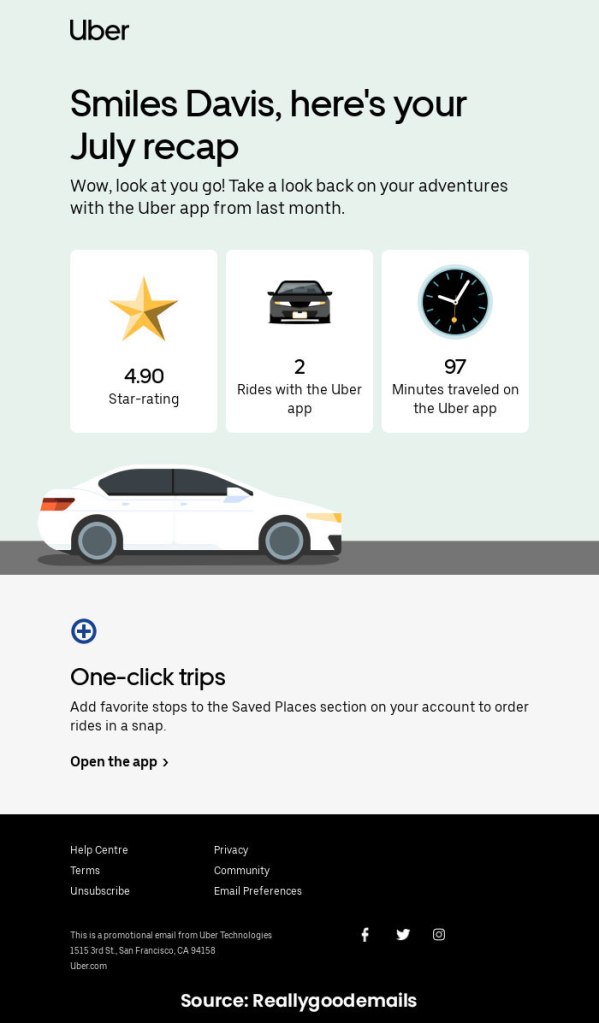
easy to scan over, and the campaign is designed to inform customers about the activity.
References:
Vaughan, P. (2023) 20 email best practices that actually drive results, HubSpot Blog. Available at: https://blog.hubspot.com/blog/tabid/6307/bid/23965/9-email-marketing-best-practices-to-generate-more-leads.aspx (Accessed: 22 May 2024).
Go, S. (2024) What is email marketing? The Definitive Guide for Beginners, Semrush Blog. Available at: https://www.semrush.com/blog/email-marketing/ (Accessed: 22 May 2024).
Mailchimp (n.d.) Email marketing best practices to improve your campaigns. Available at: https://mailchimp.com/resources/common-rookie-mistakes-email-marketers/ (Accessed: 22 May 2024).
Cm (main) (n.d.) Preview Text. Available at: https://help.campaignmonitor.com/s/article/preheader-text
(Accessed: 20 June 2024).
Moorthy, J. (2024) How to add email logo to improve brand recognition. Available at: https://www.mailmodo.com/guides/email-logo/ (Accessed: June 20, 2024).
Usama, M. (2024) Email signature best practices – A simple guide for 2024, Mailmunch. Available at: https://www.mailmunch.com/blog/email-signature-best-practices (Accessed: 20 June 2024).
Martins, A. (2024) How to avoid creating an annoying email campaign. Available at: https://www.business.com/articles/annoying-email-campaign/.
Wainwright, C. (2021) Why buying email lists is always a bad idea (and how to build yours for free), HubSpot Blog. Available at: https://blog.hubspot.com/blog/tabid/6307/bid/32892/why-purchasing-email-lists-is-always-a-bad-idea.aspx (Accessed: 22 May 2024).
Smith, C. (2024) 5 worst email marketing mistakes. Available at: https://www.outerboxdesign.com/uncategorized/email-marketing-mistakes#
(Accessed: June 19, 2024).
Images:
Fig 1. 2. 3. http://www.biospot.info/10-cost-effective-email-marketing-examples.html
Fig 4. https://www.notifyvisitors.com/blog/email-marketing-examples/
 mydigitalmarketingmix.com